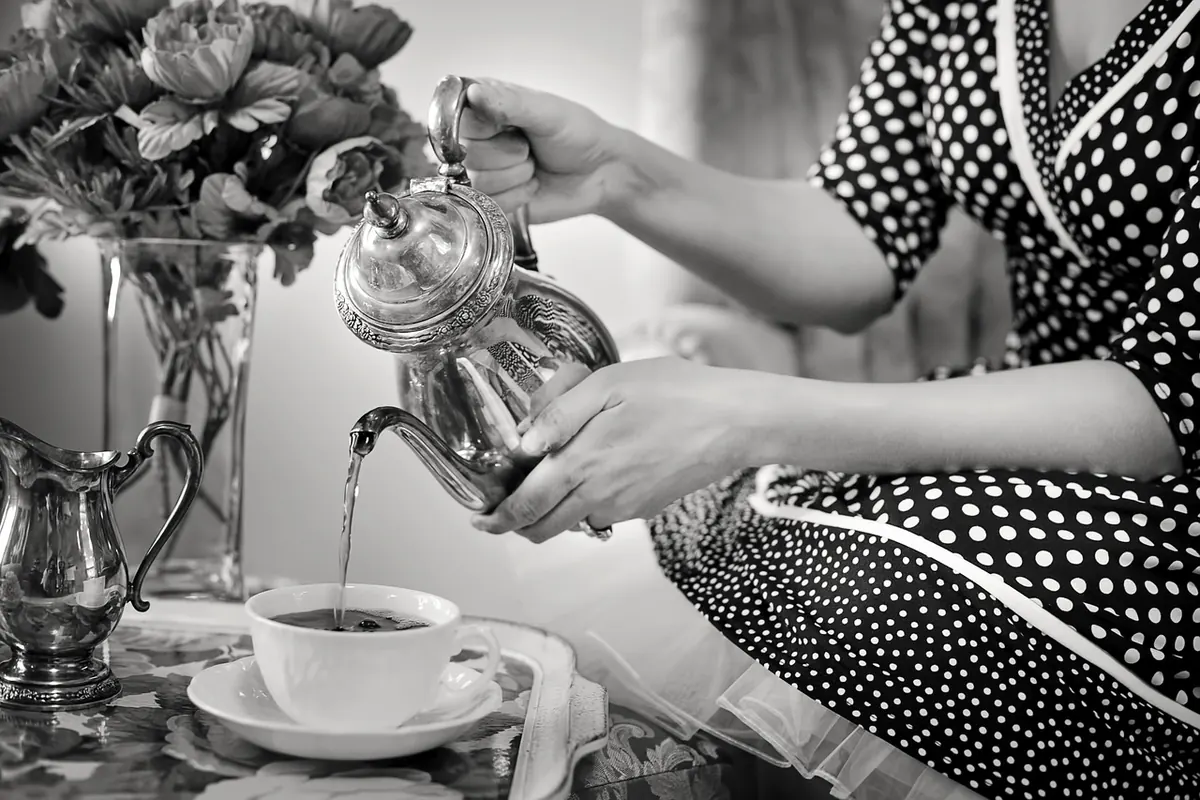

A teapot asks more of its interior than almost any other pot you'll make. It sits full of hot water for an hour or more, often with tannins, herbs, or a squeeze of lemon working on the glaze the entire time. A mug gets twenty minutes of contact; a teapot gets the whole afternoon, over and over, for years.
That's why choosing a glaze for a teapot is less about picking a color and more about understanding why a fired glaze is stable in the first place. Most of it comes down to three things: what's in the glaze, how completely it melted, and how well it fits the clay.
Lead-Free Is the Starting Line, Not the Finish
Lead oxide historically made glazes melt smoothly and brightened colors, and it's the reason ceramicware has been regulated for decades. Commercially prepared glazes sold for food use are overwhelmingly lead-free now, and most carry a "food safe" or "dinnerware safe" statement on the label. Read that statement carefully. Lead-free and food-safe are not the same claim. A lead-free glaze can still release cadmium or barium, or simply be underfired and porous.
Also be wary of the word "non-toxic" on a hobby glaze. It often describes the liquid glaze in the jar — an acute hazard question — rather than what the fired surface does when hot tea sits in it. Look for language about food contact, or contact the manufacturer and ask which standard the claim refers to.
If you mix your own glazes, know that lead is still sold in some supply chains as lead bisilicate or fritted lead. Leave it out of any piece meant for food or drink. And keep it out of the kiln entirely if you share that kiln with food ware; lead residues on shelves and elements can contaminate later firings.
If you sell your work, requirements vary by country and sometimes by state — California's Proposition 65, for example, sets its own limits. Check the rules that apply where you sell rather than relying on a general rule of thumb.
How Leaching Actually Happens
Leaching is driven by three conditions: acid, heat, and time. Tea delivers all three. Combine that with a glaze that's underfired, crazed, or heavily matte, and you've created a surface with microscopic exposure to the liquid inside.
In glaze chemistry, silica builds the glass network and alumina stiffens it; fluxes such as sodium, potassium, calcium, magnesium, barium, zinc, and boron lower the melting point. A durable glaze for food contact tends to be high in silica and alumina relative to fluxes, fully melted, and smooth. That's a direction, not a recipe — but it's a reliable one.
Ways to check a finished pot
- Laboratory testing is the only definitive answer. Commercial labs run acid-leach tests against recognized standards; if you sell teapots in volume, this is money well spent.
- An acid soak at home is a useful screen. Fill the teapot with dilute vinegar or lemon juice, let it stand for 24 hours, then look for dulling, a chalky film, or any color shift. No change isn't proof of safety, but etching or dulling is a clear warning.
- Lead swab kits can flag a problem, but they can also produce misleading results. Treat them as a rough filter, not a verdict.
- Boiling water in a crazed liner will often reveal itself: the crackle darkens as tea seeps into it, and it never quite washes out.
Give the Interior Its Own Liner Glaze
A liner glaze is the dedicated interior glaze, and on a teapot it should be the least interesting glaze in your studio. Save the layered, runny, textured, iron-speckled surface for the outside.
What a good liner needs:
- A glossy or gently satin surface, with no dry matte areas.
- No crazing. Test by filling with boiling water, letting it cool, then inspecting under good light.
- No metallic, luster, or decal finishes anywhere inside — including the lid's underside.
- Moderate, even thickness. Too thick and the glaze can shiver and flake; too thin at the spout rim invites chipping.
- Full coverage of the spout interior and strainer holes, not just the belly of the pot.
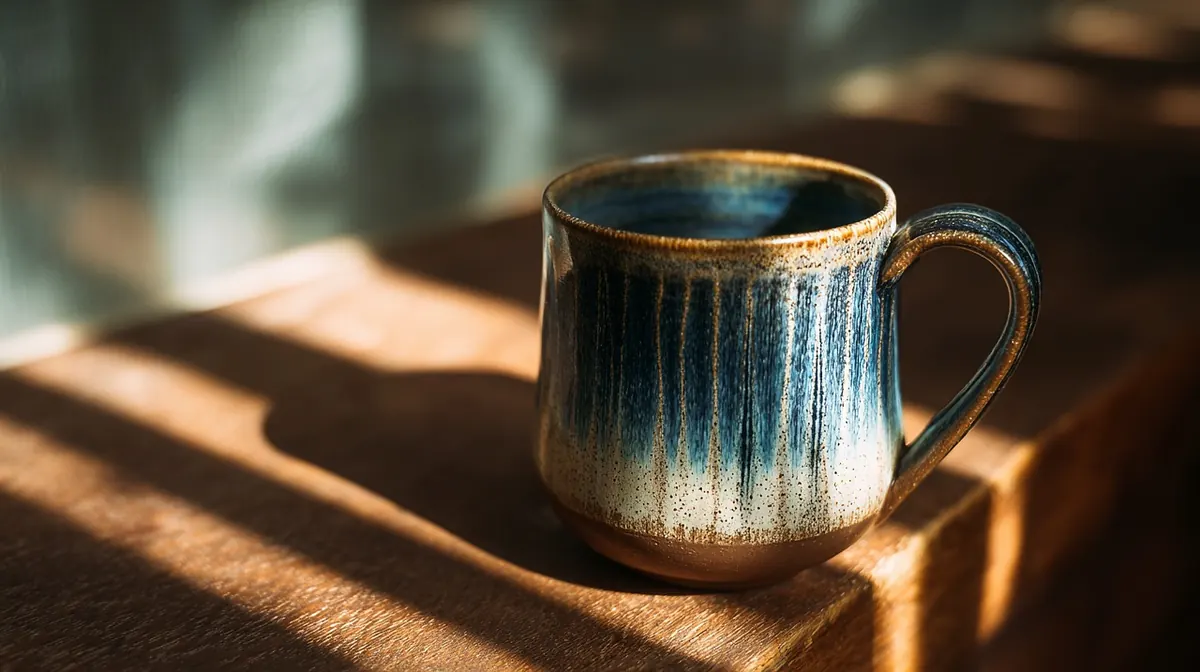
The exterior can be a painting. The interior should be a window.
Colorants: What to Treat With Caution
Colorant choice matters less than the chemistry it sits in — a well-melted, well-fitted glaze holds its colorants far better than a soft, underfired one. Still, some colorants have narrower margins than others.
- Cadmium produces the bright reds, oranges, and yellows. Encapsulated cadmium stains in commercial glazes are formulated for stability; raw cadmium in a studio mix does not belong in a teapot.
- Barium is common in matte whites and satins. High-barium mattes are a poor choice for a liner.
- Copper gives greens and turquoise and can leach in acidic conditions, particularly in low-alumina, high-flux glazes.
- Manganese purples and browns deserve caution, especially in soft glazes.
- Cobalt, iron, and chrome-tin blues, celadons, browns, and pinks are generally regarded as steady performers when fired well.
- Uranium glazes should be avoided outright.
Fired Maturity Decides Everything
A glaze has a maturing range, and inside that range it becomes a durable glass. Underfire it by a cone and you get a porous surface that gives up its ingredients to hot tea. Overfire it and it runs thin, pools, or exposes bare clay.
Match the glaze to the clay body and the cone, then follow the manufacturer's soak recommendation. Cooling rate matters too: a slow cool can crystallize a glossy glaze into a matte one, and rapid cooling can put stress into the glaze that shows up as crazing weeks later. Keep a numbered test tile from each firing with the recipe and schedule written on it, and re-test whenever you change clay, glaze brand, or kiln.
A Practical Checklist Before You Gift or Sell a Teapot
- Confirm the liner glaze carries a food-contact claim for the fired surface.
- Coat the whole interior — spout, strainer, lid rim — with a simple glossy glaze.
- Boiling-water test for crazing and shivering.
- Fire to the rated cone with the recommended soak, and record the schedule.
- Keep lead out of the kiln, the studio, and the recipe book.
- Screen each finished pot with an acid soak; send samples to a lab if you sell.
- Re-test after any change in materials, equipment, or process.
Start Boring, Stay Safe
For a first teapot, the safest path is also the simplest: a commercially prepared, lead-free liner glaze rated for your clay and your firing temperature, applied evenly and fired fully to maturity. Keep a plain celadon or clear liner on the inside and let the outside carry your ideas.
Write down what you did, keep the test tiles, and repeat the pots that worked. If something looks off — a dull patch, a fine crackle, a glaze that never quite glossed — don't talk yourself into it. Re-fire it, re-glaze it, or keep it for flowers. And when the stakes are higher, whether you're selling at a market or making a wedding gift, a lab test or a second opinion from an experienced potter is a small price for certainty. Food safety rules vary by place, so check what applies where you sell.
Photo: Solarselle77 / Pixabay